
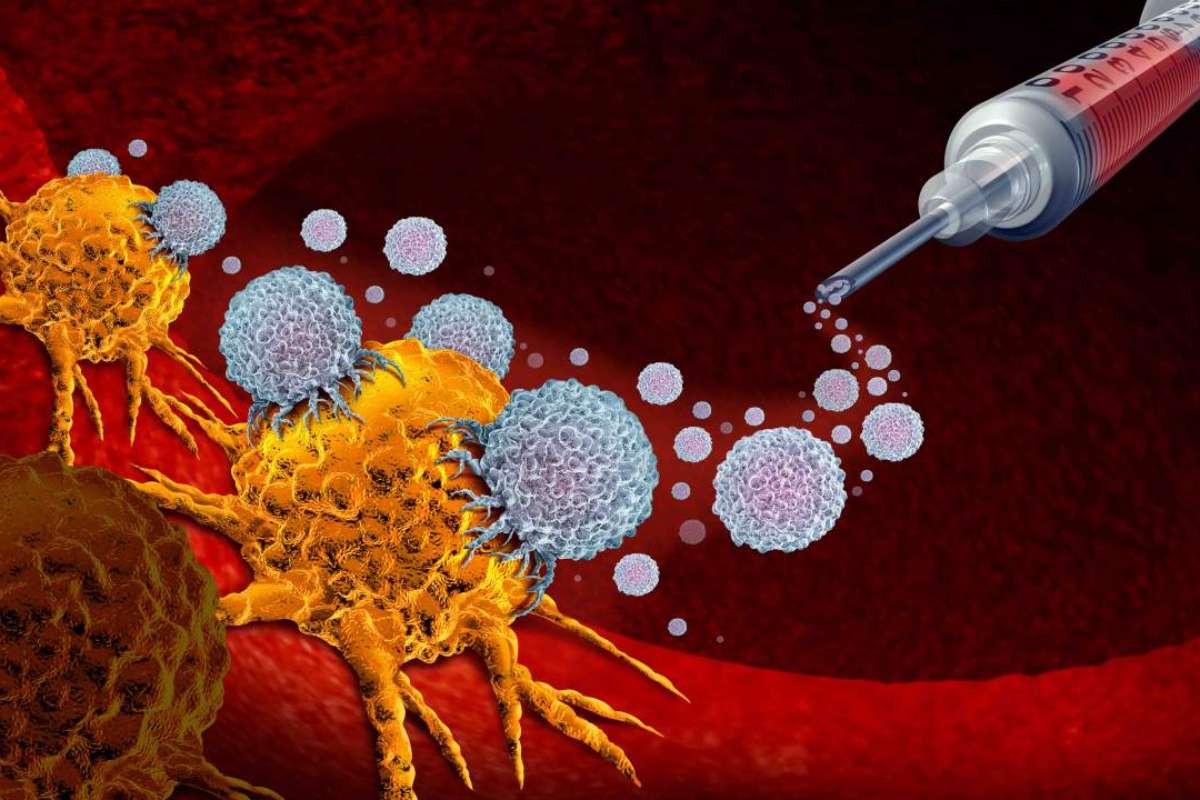
Have you ever met someone who started immunotherapy feeling confident but later felt confused by unexpected side effects? Many patients begin treatment with hope, yet they often feel surprised when their bodies react differently than expected. According to our editor’s research, these reactions vary widely because each immune system behaves with its own rhythm. Some people feel mild fatigue, while others experience deeper inflammation or changes in appetite. These differences can create uncertainty during the first weeks of treatment. Understanding what is normal and when to seek help makes the entire process feel less intimidating.
Why does immunotherapy cause side effects?
Immunotherapy encourages the immune system to work harder. This enhanced activity may create temporary discomfort. As a result of our editor’s reviews, the immune system sometimes becomes overly responsive. This creates inflammation in various tissues. Swelling, fatigue and mild fever often follow. These symptoms usually reflect immune activation rather than harm. Some reactions appear quickly. Others develop gradually over days. Every patient responds differently based on their biology. Understanding the immune response helps ease concerns. Learning these patterns prepares patients for early changes.
How does fatigue develop during treatment?
Fatigue is one of the most common side effects. Immunotherapy increases immune activity. According to our editor’s research, this increased activity requires metabolic energy. The body shifts energy toward immune tasks. This reduces energy for daily tasks. Patients may feel tired even after rest. Mild exertion may feel heavier than usual. Fatigue often fluctuates throughout the day. Some patients improve after hydration. Others improve after short naps. Understanding fatigue helps patients plan routines thoughtfully.
What causes skin reactions during immunotherapy?
Skin is highly responsive to immune activity. Rashes sometimes appear during treatment. As a result of our editor’s reviews, inflammation may reach the skin before reaching deeper tissues. Redness may appear in patches. Mild itching may follow. Some patients notice dryness. Moisturizing helps soothe irritation. Rash severity varies among patients. Doctors monitor spreading patterns. Skin reactions often improve quickly with treatment adjustments. Understanding these signals helps patients remain calm.
Why do digestive changes occur in some patients?
Digestive tissue contains many immune cells. Immunotherapy may activate these cells. According to our editor’s research, patients sometimes experience nausea. Others experience mild cramping. Some notice changes in bowel habits. Hydration helps stabilize digestion. Gentle meals support comfort. Spicy foods may worsen irritation. Doctors help patients manage persistent symptoms. Understanding digestive changes supports healthier habits.
How does immunotherapy affect appetite?
Appetite may shift during treatment. The body redirects energy toward immune reactions. As a result of our editor’s reviews, appetite loss often appears during the first weeks. Some patients crave lighter meals. Others feel full quickly. Eating small portions may help. Balanced snacks maintain energy. Hydration also influences appetite. Appetite usually stabilizes after the body adapts. Understanding these shifts helps reduce stress.
Why do some patients experience joint discomfort?
Joint tissues respond to inflammation quickly. Immunotherapy may increase inflammatory markers. According to our editor’s research, this creates mild joint stiffness. Some patients feel discomfort after waking. Others feel tension after long sitting. Gentle stretching may help. Warm showers often relax joints. Doctors may recommend supportive medication. Symptoms usually improve with time. Understanding joint responses prevents unnecessary concern.
How can breathing changes appear during treatment?
Breathing changes should be monitored carefully. Immune reactions may affect lung tissue. As a result of our editor’s reviews, mild coughing sometimes appears. Some patients feel chest tightness. Hydration improves airway comfort. Rest also helps manage mild symptoms. Persistent symptoms require quick evaluation. Early recognition improves safety. Understanding breathing patterns ensures timely care.
Why do fevers occur during immunotherapy?
Fevers reflect immune activation. They indicate strong biological engagement. According to our editor’s research, mild fever often appears in early cycles. This should be monitored carefully. Hydration helps manage temperature. Rest supports recovery. High fever requires medical guidance. Doctors may adjust treatment schedules. Understanding fever patterns reduces anxiety.
How do doctors evaluate side effect severity?
Doctors classify reactions as mild, moderate or severe. As a result of our editor’s reviews, this helps shape safe treatment plans. Mild symptoms include rashes or fatigue. Moderate symptoms include digestive discomfort. Severe reactions include breathing difficulty. Doctors monitor blood tests. Tests reveal inflammation levels. Trends help guide decisions. Understanding evaluation methods increases confidence.
What lifestyle habits help reduce side effects?
Lifestyle plays a supportive role. Hydration stabilizes energy. According to our editor’s research, balanced meals improve recovery. Rest reduces fatigue. Gentle exercise improves circulation. Avoiding alcohol protects the immune response. Stress management reduces symptom intensity. Sleep supports immune balance. Healthy routines complement medical care. Understanding lifestyle influence supports smoother treatment.
Why is communication essential during immunotherapy?
Clear communication prevents complications. Patients should share symptoms promptly. As a result of our editor’s reviews, early reporting improves safety. Doctors adjust treatment when needed. Adjustments may include dosage changes. Patients feel more secure with regular updates. Communication reduces fear. Understanding this role empowers patients.
How can patients prepare for treatment cycles?
Preparation reduces anxiety. Patients should plan rest periods. According to our editor’s research, meals should be organized in advance. Hydration should be prioritized. Comfortable clothing helps manage temperature. Transportation should be arranged. Support from friends helps reduce stress. Preparing early improves confidence. Understanding planning benefits supports smoother experiences.
What emotional effects may accompany treatment?
Emotions shift during medical therapy. Some patients feel worry. As a result of our editor’s reviews, uncertainty may amplify stress. Fatigue influences mood. Support from loved ones helps. Doctors may recommend counseling. Emotional reactions are normal. Understanding emotional patterns encourages self compassion.
How do doctors manage persistent side effects?
Persistent symptoms require attention. Doctors may prescribe supportive medications. According to our editor’s research, hydration therapy sometimes helps. Treatment may be paused briefly. Alternative medications may be added. Doctors track improvement closely. Long term side effects require structured plans. Understanding management methods reduces concern.
Why do some side effects appear later?
Some reactions develop slowly. The immune system changes over time. As a result of our editor’s reviews, delayed reactions reflect deeper adaptation. These may include mild rashes. They may include digestive shifts. Doctors monitor these patterns closely. Delayed symptoms usually remain manageable. Understanding timing reduces worry.
What questions should patients ask during treatment?
Patients benefit from clarity. Important questions include expected side effects. According to our editor’s research, asking about warning signs builds confidence. Patients should ask about hydration needs. They should ask about fatigue management. Clear guidance reduces confusion. Understanding key questions empowers patients.
How can caregivers support patients effectively?
Caregivers influence comfort. They help monitor symptoms. As a result of our editor’s reviews, caregivers assist with daily routines. They encourage rest. They help coordinate appointments. Emotional support reduces stress. Caregivers play a steady role. Understanding caregiver importance supports healthy teamwork.