
Category: Articles

Dealing With Recurrence: Mental and Medical Support

Hearing that a condition has returned can feel like a sudden pause in daily life, and many people describe the moment as a mix of shock, frustration and quiet fear that makes even simple thoughts feel heavier than before. This emotional weight often leads to questions about next steps, and understanding how mental and medical…
Read more
Immunotherapy Side Effects and How to Manage Them

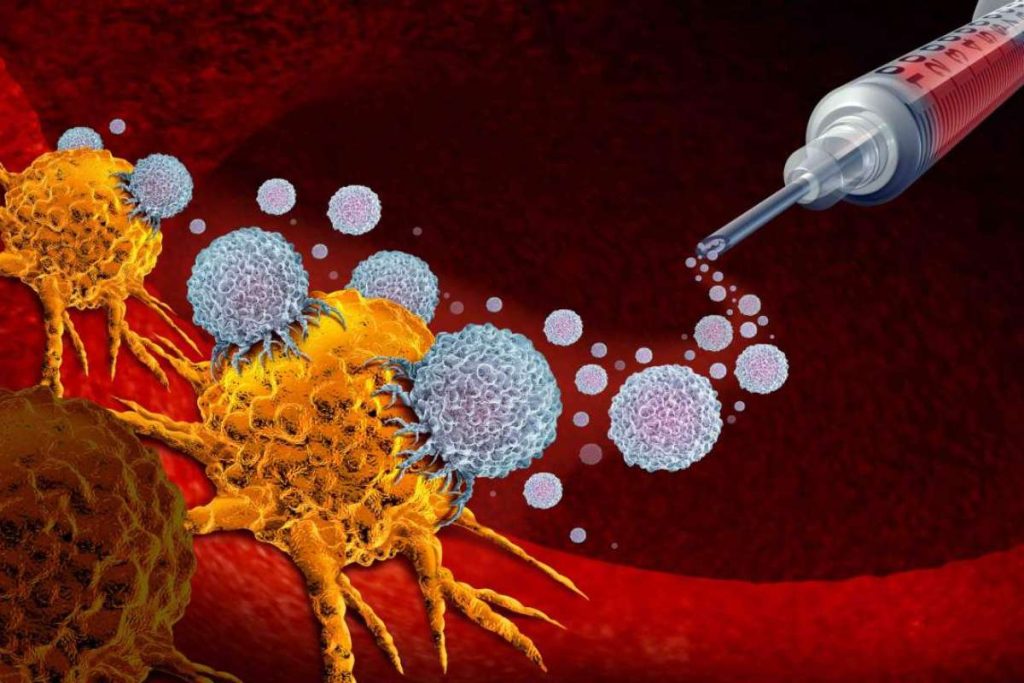
Have you ever met someone who started immunotherapy feeling confident but later felt confused by unexpected side effects? Many patients begin treatment with hope, yet they often feel surprised when their bodies react differently than expected. According to our editor’s research, these reactions vary widely because each immune system behaves with its own rhythm. Some…
Read more

Common Terms You’ll Hear in an Oncology Clinic

Many patients describe their first oncology clinic visit as both overwhelming and eye-opening because the medical language they hear sounds unfamiliar, yet each term carries meaningful information that shapes their understanding of diagnosis, treatment plans, progress expectations, and the emotional journey ahead. Why do oncology clinics use specific medical terms? Oncology clinics use specific medical…
Read more

Oncology in the Elderly: Unique Considerations

Oncology in older adults needs thoughtful, personalised decisions that balance cancer control with quality of life, everyday independence and other chronic illnesses, because ageing changes how treatments work in the body and what really matters to patients and their families. Why does age change cancer care? Getting older affects almost every system in the body,…
Read more

Understanding How Cancer Clinical Trials Work Safely

Navigating a cancer diagnosis is inherently overwhelming, a situation where the patient and their family are immediately plunged into a world defined by complex medical terminology, uncertain prognoses, and a rapid succession of critical decisions. Within this environment, the concept of a “clinical trial” often emerges, frequently framed with an almost mythic quality—either as a…
Read more

The Role of Surgery in Cancer Management

The historical arc of cancer therapy reveals a profound evolution, yet surgery remains the foundational pillar for managing most solid tumors. Its role has shifted dramatically from the aggressive, often mutilating resections of the early 20th century to highly refined, organ-sparing procedures guided by intricate imaging and molecular insights. The modern surgical oncologist operates not…
Read more

How Oncology Nurses Support Cancer Patients

The journey through a cancer diagnosis and treatment is a labyrinth of complex medical procedures, intense emotional stress, and continuous uncertainty. While the oncologist orchestrates the clinical strategy, the Oncology Nurse serves as the constant, unwavering presence at the patient’s side, transforming the abstract treatment plan into a manageable daily reality. Their role is uniquely…
Read more

Tips for Handling Isolation During Cancer Treatment

The trajectory of a cancer diagnosis and the subsequent treatment—be it chemotherapy, radiation, or surgical recovery—often thrusts the individual into a state of profound, often unanticipated, isolation. This isolation is a complex, multi-layered experience, simultaneously physical, emotional, and social. Physically, treatment side effects like a compromised immune system (neutropenia), overwhelming fatigue, and nausea necessitate strict…
Read more

Antioxidants During Cancer Treatment: Helpful or Harmful?

The consumption of antioxidants during active cancer treatment presents one of the most persistent and fiercely debated clinical paradoxes in contemporary oncology. Driven by the understandable desire to support the body and mitigate the brutal side effects of chemotherapy and radiation, many patients turn to high-dose vitamin supplements, believing they are universally beneficial. However, this…
Read more

How Oncologists Personalize Treatment Plans

The diagnosis of cancer often feels like a seismic shift, transforming an individual’s world in an instant. For many years, cancer treatment largely followed a standardized, one-size-fits-all approach, where protocols were determined primarily by the type and stage of the cancer. While these established guidelines have saved countless lives, the inherent variability in how cancer…
Read more