
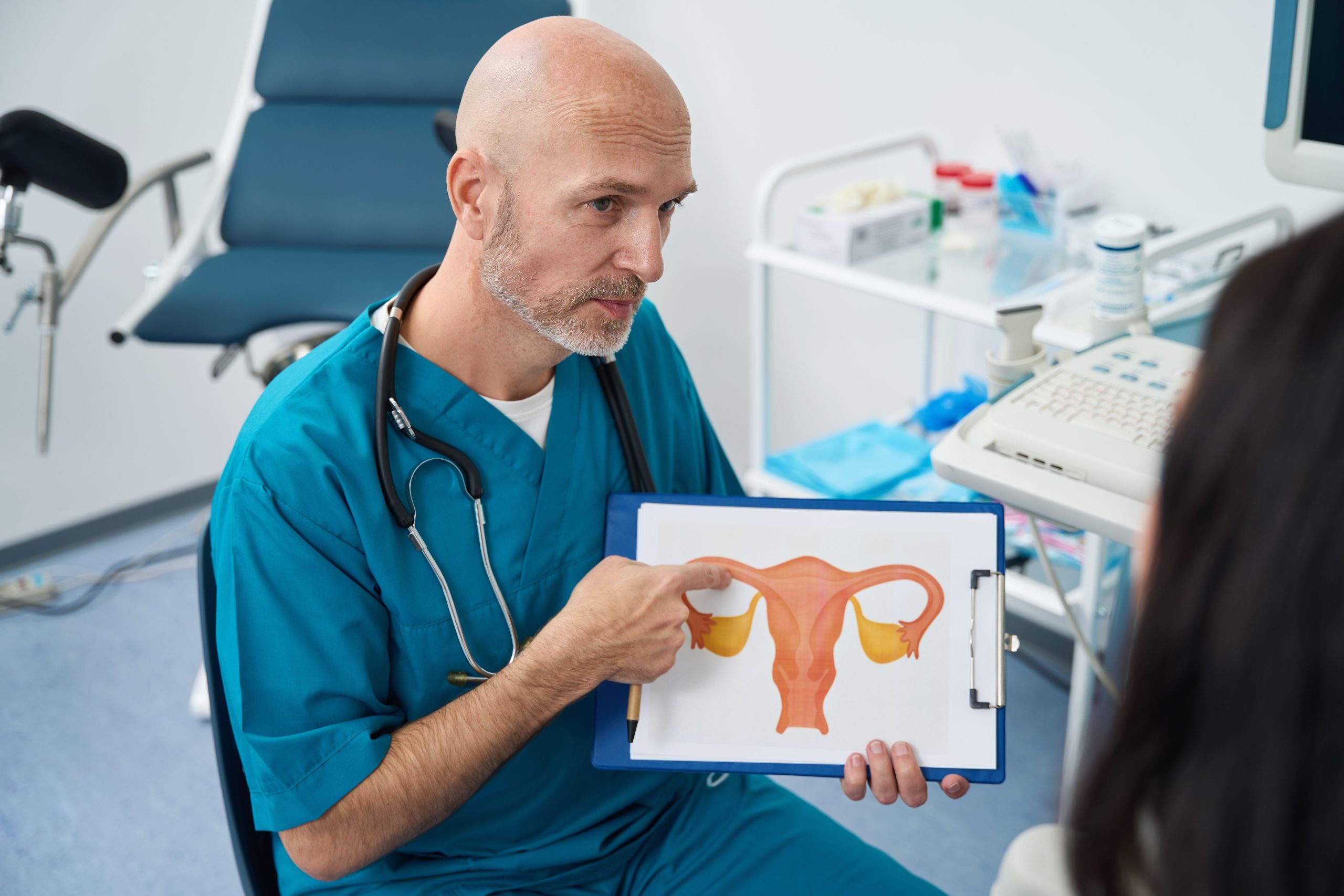
Many patients describe their first oncology clinic visit as both overwhelming and eye-opening because the medical language they hear sounds unfamiliar, yet each term carries meaningful information that shapes their understanding of diagnosis, treatment plans, progress expectations, and the emotional journey ahead.
Why do oncology clinics use specific medical terms?
Oncology clinics use specific medical terms to maintain precision during care discussions. These terms help doctors describe complex findings accurately. According to our editor’s research, accuracy prevents misunderstandings during treatment planning. Medical terms also create a shared language among clinicians. This shared language supports consistent communication within teams. Patients may feel confused initially during discussions. Over time, these terms become familiar through repeated use. Emotional stress sometimes increases this confusion early in care. Staff members explain terms clearly to reduce worry. As a result of our editor’s reviews, explanation improves patient confidence. Familiarity with terminology strengthens communication during follow-up visits. Understanding terms empowers patients during decision-making. Many people appreciate clearer control over their care. Oncology terms evolve as medical science progresses. Updated terms reflect new treatment approaches. Clinics adopt these terms to ensure modern standards.
What does the term tumor mean?
A tumor refers to an abnormal growth of cells. These cells multiply faster than normal tissue. Tumors may be benign or malignant depending on behavior. According to our editor’s research, benign tumors grow slowly. They usually do not invade nearby tissues. Malignant tumors grow aggressively and invade structures. This invasion forms the basis of cancer diagnosis. Patients often hear the term mass during scans. A mass represents an area of abnormal tissue. Mass and tumor sometimes describe the same finding. Doctors distinguish between them after further testing. Biopsy results reveal the cell type precisely. This information directs the correct treatment plan. Tumors vary greatly in appearance and behavior. Imaging identifies tumor size and location. As a result of our editor’s reviews, size affects treatment options. Larger tumors may require combined treatments. Early detection improves outcomes significantly. Many clinics emphasize routine screening.
What does biopsy refer to?
A biopsy refers to removing a small tissue sample. This sample undergoes laboratory evaluation. Pathologists examine the cells under a microscope. According to our editor’s research, biopsy confirms diagnosis accurately. It determines whether cells are cancerous or benign. Biopsy types vary based on tumor location. Needle biopsy takes samples through a thin needle. Surgical biopsy removes larger tissue sections. Liquid biopsy analyzes genetic material within blood. Each method provides unique clinical insight. Doctors choose the safest approach for each patient. Biopsy results influence treatment direction greatly. As a result of our editor’s reviews, biopsy timing affects planning. Early biopsy accelerates care decisions. Pathology reports include detailed descriptions. These descriptions guide oncology teams effectively. Biopsy remains central to cancer diagnosis worldwide.
What does staging mean in oncology?
Staging describes how far cancer has spread. It determines the extent of the disease. Staging guides treatment planning precisely. According to our editor’s research, staging ranges from stage zero to stage four. Early stages indicate localized disease. Later stages show distant spread. Doctors use scans and tests for staging. They assess lymph node involvement carefully. Lymph nodes reveal early signs of spread. Tumor size influences staging significantly. Organ involvement also affects classification. Staging helps predict treatment outcomes. As a result of our editor’s reviews, accurate staging improves quality of care. It helps match patients to appropriate therapy. Staging may change after surgery. Updated information refines treatment decisions. Many patients learn staging early in diagnosis. Clear explanation reduces anxiety during this stage.
What does metastasis describe?
Metastasis describes cancer spread to distant areas. Cells travel through blood or lymph channels. They form new tumors in other organs. According to our editor’s research, metastasis indicates advanced disease. Many cancers spread to bone or liver first. Lung and brain also receive metastatic cells often. Doctors search for metastasis during staging. Metastatic sites influence treatment complexity. These areas require targeted therapy approaches. Some metastases remain small for years. Others grow more rapidly depending on type. As a result of our editor’s reviews, early detection helps control growth. Treatment aims to slow spread and maintain function. Managing symptoms becomes a major focus. Many patients live long with controlled metastasis. Modern therapies improve quality of life greatly.
What does chemotherapy involve?
Chemotherapy involves medications that attack cancer cells. These medications travel throughout the body. They destroy fast-growing cells effectively. According to our editor’s research, chemotherapy schedules vary. Some regimens require weekly sessions. Others follow longer cycles depending on drugs. Side effects occur because healthy cells divide too. Hair loss and fatigue remain common effects. Some people experience nausea during treatment. Doctors provide medication to reduce discomfort. As a result of our editor’s reviews, supportive care improves tolerance. Many modern drugs cause fewer side effects. Chemotherapy may combine with surgery or radiation. Combination therapy increases effectiveness in many cases. Treatment goals vary by cancer type. Some aim for cure while others control growth. Chemotherapy remains a key component of oncology care.
What does radiation therapy mean?
Radiation therapy uses focused energy beams. These beams destroy cancer cells gradually. Radiation targets specific areas precisely. According to our editor’s research, radiation damages cancer DNA. Damaged cells lose ability to divide. Healthy tissues receive minimal exposure. Modern machines control dose accurately. Treatment occurs over several sessions. Each session lasts only minutes. Preparation takes longer than treatment itself. As a result of our editor’s reviews, radiation remains highly effective. It reduces tumor size significantly in many cases. It relieves pain caused by pressure from tumors. Some cancers respond better to radiation than others. Doctors combine radiation with other treatments often. Side effects include skin irritation or fatigue. Most effects improve after treatment ends.
What is immunotherapy used for?
Immunotherapy strengthens the body’s defenses. It helps the immune system find cancer cells. According to our editor’s research, some cancers hide from immunity. Immunotherapy exposes these hidden cells. Drugs enhance immune activity safely. Treatment schedules vary by medication. Infusions occur in specialized clinic rooms. Patients tolerate immunotherapy well generally. Some experience mild fever or fatigue. As a result of our editor’s reviews, side effects signal immune activation. Immunotherapy shows strong results in select cancers. It improves survival significantly in some cases. Doctors monitor response through regular scans. Many patients continue treatment long-term. Immunotherapy represents major progress in oncology today.
What does remission mean?
Remission means cancer becomes undetectable. It indicates strong treatment response. Remission may be partial or complete. According to our editor’s research, complete remission removes visible signs. Partial remission reduces tumor size significantly. Remission does not always mean cure. Doctors monitor regularly after remission. Follow-up prevents unnoticed recurrence. Some cancers remain stable for many years. Stable disease resembles a controlled condition. As a result of our editor’s reviews, remission offers emotional relief. Patients regain confidence in daily life. Many resume normal routines confidently. Remission represents major progress in the journey.
What does recurrence describe?
Recurrence describes cancer returning after treatment. It may occur in original location. It may also appear in new areas. According to our editor’s research, recurrence timing varies widely. Early recurrence occurs within months. Late recurrence appears after many years. Doctors perform scans to detect recurrence. Treatment options depend on recurrence site. Some patients need new chemotherapy. Others benefit from targeted therapy. As a result of our editor’s reviews, recurrence creates emotional stress. Clinics provide support resources. New treatment advances improve outcomes. Recurrence does not always mean poor prognosis. Patients respond well to second-line therapy often.
What does palliative care support?
Palliative care supports comfort during illness. It focuses on symptom management. According to our editor’s research, palliative care reduces pain effectively. It improves breathing comfort for many. It also supports emotional well-being greatly. Palliative teams include multiple specialists. They address physical and emotional needs together. This care improves quality of life consistently. As a result of our editor’s reviews, palliative care complements treatment. It does not replace active therapy necessarily. Many patients use palliative support alongside treatment. Comfort improves daily functioning significantly. Families benefit from supportive guidance. Early palliative integration improves overall experiences.
Key insights about oncology clinic terminology
Understanding oncology terms reduces anxiety during care. According to our editor’s research, familiarity strengthens communication. These terms explain diagnosis, treatment, and follow-up clearly. Patients feel more confident discussing concerns. This clarity supports shared decision-making. Oncology clinics use these terms to maintain accuracy. Clear understanding helps patients navigate treatment safely. Knowledge empowers patients throughout the journey.