
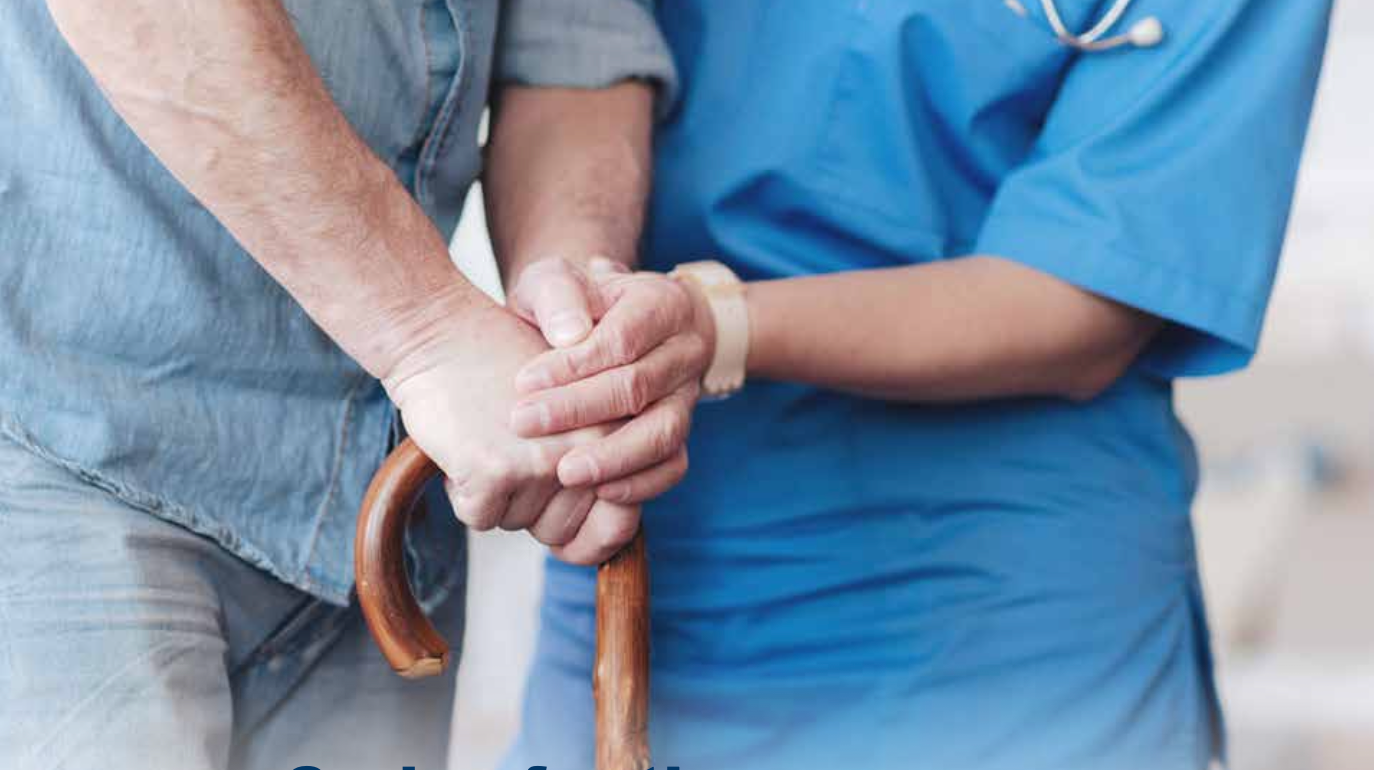
Oncology in older adults needs thoughtful, personalised decisions that balance cancer control with quality of life, everyday independence and other chronic illnesses, because ageing changes how treatments work in the body and what really matters to patients and their families.
Why does age change cancer care?
Getting older affects almost every system in the body, from heart and lungs to kidneys and brain. These changes influence how cancer develops and how treatments such as surgery, chemotherapy or radiotherapy are tolerated. Many elderly patients also live with other chronic conditions like diabetes, heart failure or lung disease. These additional illnesses can complicate decisions about which cancer therapy is realistic and safe. According to our editor’s research, doctors now look beyond age in years and focus more on overall fitness. Two people aged eighty can be completely different in strength, memory, mobility and support at home. Modern oncology in the elderly therefore tries to answer a simple practical question before everything else: what can this individual safely handle, and what are they hoping for from treatment?
Understanding frailty and functional status
Frailty is a key concept in cancer care for older adults, and it goes beyond just weakness. It describes a reduced reserve in the body, meaning that even small stresses can cause big setbacks. Doctors look at how easily a person climbs stairs, shops for groceries or manages their medications. They also ask about recent weight loss, falls or long periods in bed after minor illnesses. As a result of our editor’s reviews, geriatric assessment tools are increasingly used to capture this broader picture. These tools may include short tests of walking speed, grip strength, daily activities and memory. The goal is not to label someone as “too old” but to tailor therapy. A robust eighty two year old might manage standard chemotherapy, while a frail seventy year old could benefit more from a gentler, targeted plan.
The role of a comprehensive geriatric assessment
A comprehensive geriatric assessment brings together information about medical conditions, medications, mood, thinking, mobility and social support. Oncologists often collaborate with geriatricians, nurses, pharmacists and social workers to perform this type of evaluation. They review every medication to remove unnecessary drugs that could interact with cancer treatment. They also check for depression, memory problems and nutritional difficulties, because these issues can strongly influence how someone copes with therapy. According to our editor’s research, patients who receive a geriatric assessment are more likely to get adjusted treatment plans that reduce complications. For example, doses might be lowered at the start, or supportive measures like physical therapy and dietary counselling may be added early. This kind of careful planning can turn a risky pathway into a manageable journey for older patients and their families.
Balancing treatment benefit and everyday life
For many elderly patients, the goal is not only longer life but also maintaining independence and comfort. A treatment that slightly extends survival but causes months of severe fatigue or repeated hospital visits may not fit someone’s values. Oncologists therefore spend time discussing expected benefits and possible side effects in plain language. They explain how therapy might affect walking, thinking, appetite and sleep. Families are encouraged to share what the patient enjoys doing most in daily life. According to our editor’s reviews, doctors are increasingly using phrases like “time at home” and “good days versus bad days” when describing options. This helps people imagine how treatment might feel beyond blood tests and scan reports. In some situations, focusing on symptom control and supportive care rather than aggressive treatment can offer a better balance between length and quality of life.
Polypharmacy and drug interactions in older patients
Many elderly individuals take several medications every day for different health problems. This situation, called polypharmacy, can quietly increase the risk of side effects when cancer drugs are added. Some tablets for blood pressure, heart rhythm or mood can interact with chemotherapy, hormonal therapy or targeted agents. The liver and kidneys also clear drugs more slowly with age, which may lead to higher levels in the bloodstream. According to our editor’s research, regular medication reviews are essential before and during oncology treatment in older adults. Doctors and pharmacists look for combinations that raise the chance of dizziness, falls, bleeding or kidney damage. Sometimes small adjustments, like changing the timing of tablets or stopping one unnecessary medicine, can prevent serious complications. Encouraging patients to bring all their medication boxes, including supplements and herbal products, to appointments is a simple but powerful safety step.
Cognitive health, communication and decision making
Memory, attention and processing speed can change with age, and some elderly patients live with mild cognitive impairment or dementia. These changes can make it harder to understand complex treatment information or remember instructions. Oncologists are therefore advised to use simple explanations, repeat key messages and provide written summaries for later reference. Involving trusted family members or caregivers during consultations often improves understanding and follow through. According to our editor’s research, short cognitive screens are increasingly used when there are concerns about decision making capacity. When capacity is limited, legal representatives or previously signed advance directives may guide choices. Even then, doctors try to include the patient’s voice as much as possible, asking about comfort, fears and preferences. Clear communication helps avoid both under treatment, where symptoms are not controlled, and over treatment, where burdens outweigh realistic benefits.
Supportive care and symptom control in the elderly
Elderly people can be more sensitive to common side effects of cancer and its treatment, including nausea, constipation, pain, confusion and fatigue. They may also have more difficulty bouncing back from hospital stays or infections. Good oncology care in this age group pays close attention to supportive treatments such as anti nausea medicines, bowel management, physical therapy and nutritional support. Pain control is handled carefully, because some painkillers increase the risk of falls or confusion. According to our editor’s reviews, early involvement of palliative care teams can actually improve both comfort and survival in many cancer patients, including older adults. Palliative care does not mean giving up on active treatment; instead, it focuses on symptom relief, emotional support and honest planning. For elderly patients, this kind of support can make the difference between simply living longer and living better.
Family roles, caregiving and social factors
Cancer in an elderly person often affects an entire family, not just the individual patient. Adult children, spouses or even grandchildren may take on roles such as accompanying the patient to hospital, managing medications or helping with daily tasks. These responsibilities can be emotionally and physically demanding, especially when caregivers also work or care for children. According to our editor’s research, healthcare teams increasingly ask about family support, transportation, home safety and financial pressure during consultations. Identifying these issues early allows social workers, nurses and community organisations to offer practical help. In some cases, a slightly less intense treatment schedule is chosen to reduce travel and waiting times. Recognising the needs of caregivers also matters, because burnt out caregivers struggle to provide stable support, which can ultimately affect the patient’s experience and safety.
Ethical questions and end of life planning
Oncology in the elderly frequently raises sensitive ethical questions about how far to push treatment and when to shift focus. Older patients may worry about being a burden, while families fear regretting any decision that seems like doing less. Doctors, on the other hand, try to avoid both ageism and unrealistic expectations. According to our editor’s reviews, best practice now emphasises early, honest discussions about goals of care, resuscitation preferences and what matters most to the patient. These conversations ideally happen when the person feels relatively well, not in the middle of a crisis. Written plans such as advance directives or documented code status help guide the team if the patient later becomes too unwell to speak for themselves. When the illness progresses despite treatment, a shift toward comfort focused care and hospice support can offer dignity, symptom control and space for families to spend meaningful time together.
Looking ahead for geriatric oncology
The number of elderly people living with cancer is expected to grow as populations age worldwide. This trend is pushing health systems to develop more specialised geriatric oncology clinics, training programmes and research projects. According to our editor’s research, international cancer organisations now publish specific guidance on managing older adults, underlining that chronological age alone should never be the only deciding factor. Future developments may include more clinical trials designed specifically for elderly patients, rather than excluding them due to age or other illnesses. Better tools to predict tolerance, digital monitoring of symptoms at home and integrated care pathways between hospitals and community services are also being explored. For patients and families, the key message is that it is reasonable to ask for cancer care that respects both medical realities and personal priorities.